Queensland, Australia
April 10, 2024
This project is located in Queensland, there is a 500-hectare ranch dedicated to raising Angus beef cattle. This ranch houses 800 cattle and relies entirely on the lush grass to feed them. The unpredictable weather in Queensland poses a continuous threat to its operations. The climate of this state is characterized by a distinct dry and wet season: the wet season sees concentrated and heavy rainfall, while the dry season lasts for six months, with monthly rainfall as low as 30-50 millimeters. At the same time, the high temperatures during the day cause monthly evaporation to reach up to 300 millimeters.
It is very difficult for this pasture to maintain the growth of grass during drought periods. Its old irrigation method, which used surface hoses for flooding, was both wasteful and inaccurate: up to 40% of the water either flowed away from the poorly water-retaining red clay on the pasture or evaporated before reaching the grass roots. By the middle of the dry season, the forage coverage rate plummeted to only 25-30%. The withered and yellow grass can no longer meet the nutritional needs of the cattle. The ranch had to reduce the size of its cattle herd by 15-20% to avoid overgrazing the remaining grass.
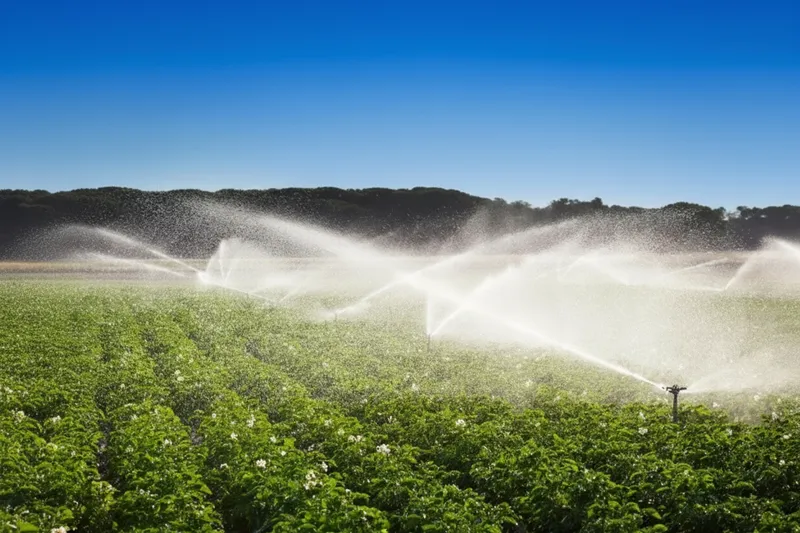
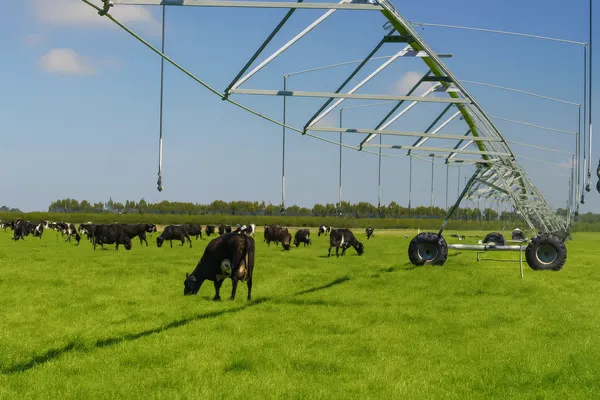
GoldRainirrig has installed a central pivot irrigation system tailored to the conditions of Queensland. This system has five rotatable 100-meter-long arms equipped with low pressure wide angle sprinklers, designed to evenly distribute water over large areas of pastures without causing runoff. Unlike the old flooding irrigation method, the water sprayed by these sprinklers is in the form of fine water droplets, which can slowly seep into the red clay and maximize the absorption rate.
Even in the harshest dry season, the forage coverage rate can now be maintained at 80-85%, providing stable feed for cattle herds. The health condition of the cattle has also improved. The average weight at market price has increased by 18 kilograms, and the time to market has been shortened by three weeks.
For ranchers, upgrading the irrigation system is not only a cost-saving measure but also a lifeline for long-term stable operation. He said, “Before, we were at the mercy of the weather. Now we can control the growth of the grass, keep the cattle intact, and know that we can get through any dry season.” Today, this ranch has become a local model, demonstrating how efficient irrigation can transform Queensland’s climate challenges into sustainable aquaculture opportunities.