1.Are you a manufacturer or a trading company?
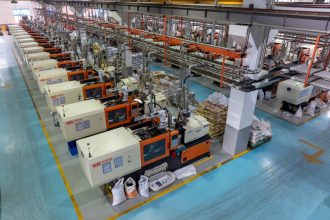
We are a manufacturer with in-house R&D, production, marketing, and after-sales.
2.What certifications do you hold?
Our quality management follows ISO 9001, ISO14001, and ISO45001. Materials and products can be supplied with Certificates of Conformance and other export documents (for example, Origin, Insurance). Third-party testing (for example, CE, TUV, and SGS test reports) can be arranged as required by project tenders.
3.Do you offer Customizable/OEM/ODM services?
Yes. We provide customizable nozzle kits, materials, colors, packaging, delivery and complete OEM/ODM support: 2D drawing, 3D modeling, material selection, prototype sampling, mass production, labeling, and export logistics.
4.What product ranges do you provide?
We supply agricultural irrigation solutions, including:
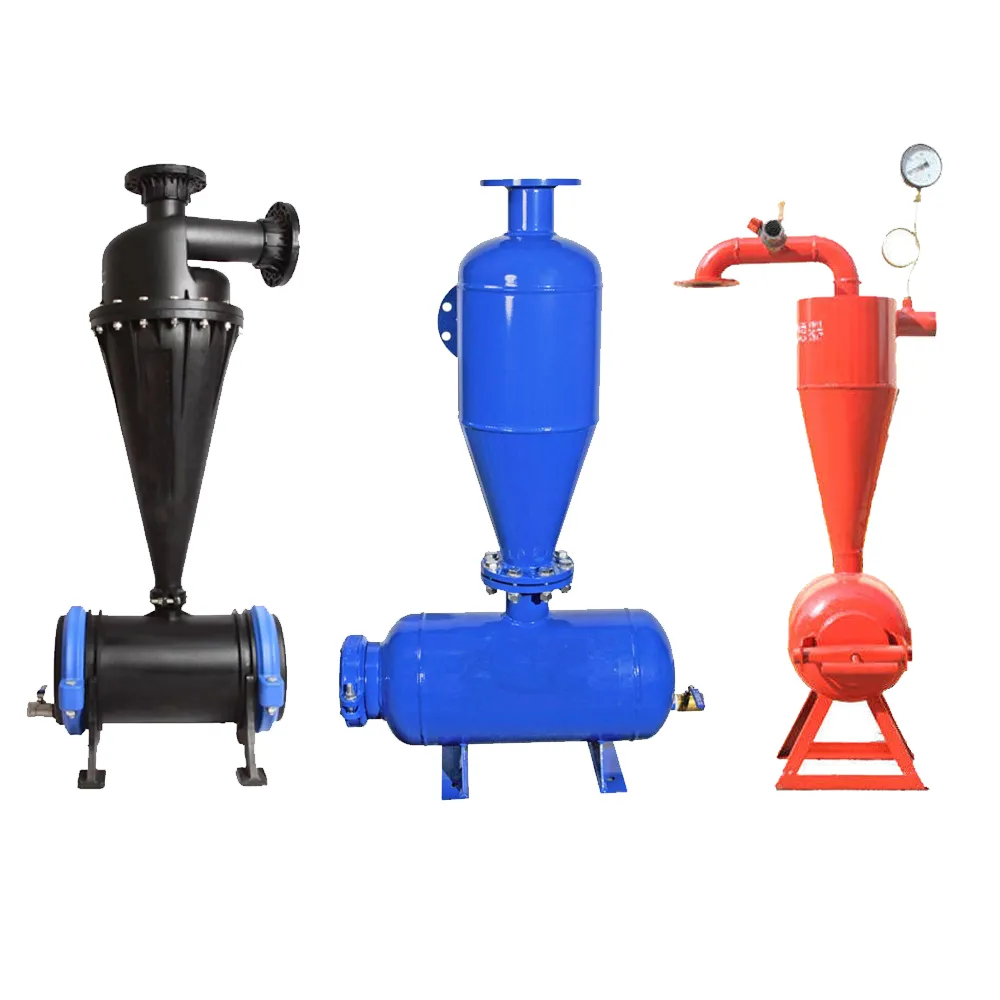
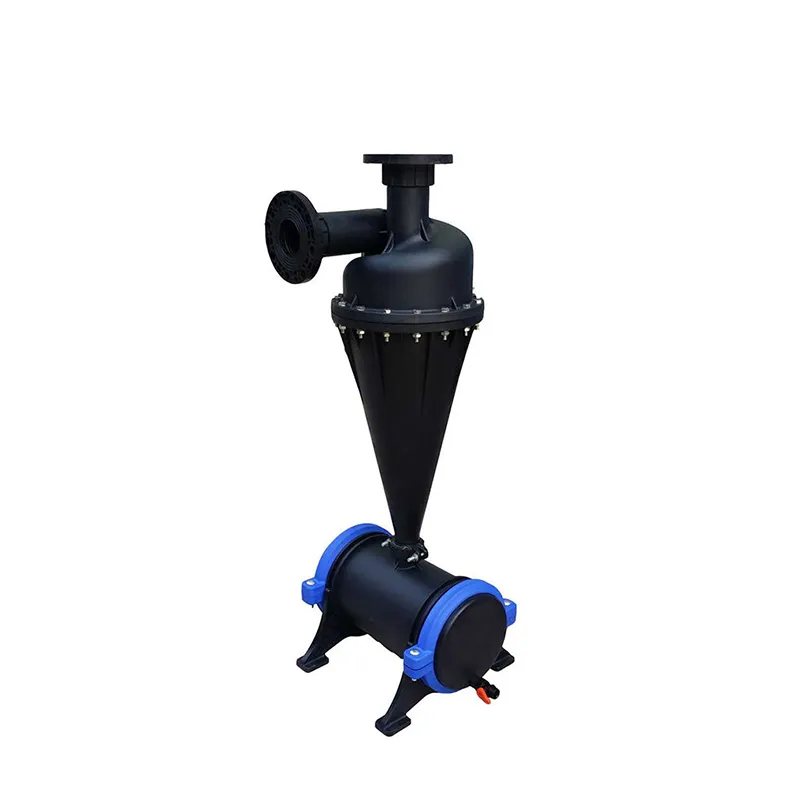
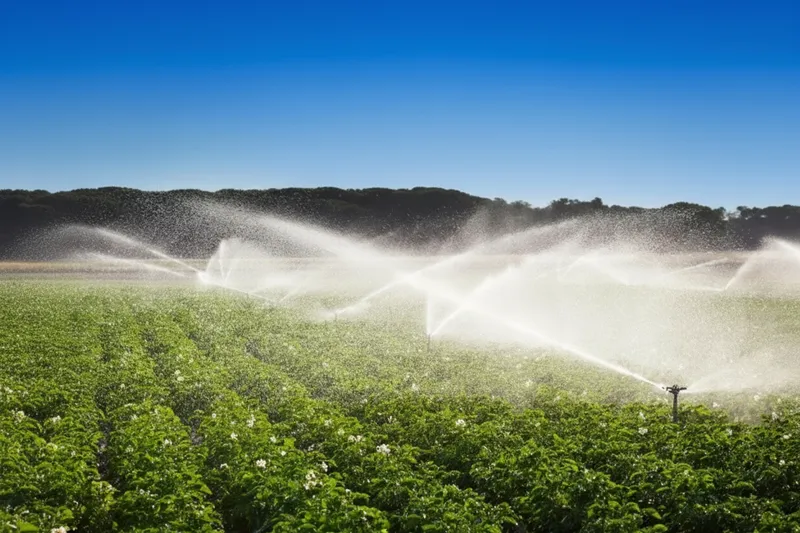
Sprinkler Irrigation System, Drip Irrigation System, Micro Irrigation System, Irrigation Filters, Irrigation Valves, Irrigation Fittings, Irrigation Accessories, Garden Watering System and Irrigation Fertilizers.
5.Do you provide custom logos on products/packaging?
Yes, we support logo customization for both products and packaging.
6.Are samples available? How long to prepare?
Yes, we provide samples. Non-OEM samples are available within 3 days.
7.What are the payment terms?
30% T/T deposit, balance before shipment (with your forwarder)
30% T/T deposit, balance against shipping documents (with our forwarder)
100% irrevocable L/C at sight (order ≥ USD 20,000)
100% T/T in advance for small orders (≤ USD 2,000)
PayPal/Western Union for sample orders (≤ USD 100)
Annual purchase programs may qualify for credit support.
8.What is your average lead time?
Samples: about 7 days (stock permitting)
Mass production: 20-30 days after deposit and final approval
We work to meet your deadlines—inform sales of target ship dates early.
9.Can you build up inventory based on predictions and ship in batches?
Yes. We can maintain safety stock based on the agreed forecast and your schedule. We have sufficient warehouses for installment delivery. Details can be discussed separately.
10.What shipping methods do you offer?
Samples: DHL/FEDEX/TNT/UPS
Small orders: air freight
Bulk orders: sea freight (main ports: Ningbo/Shanghai) or rail/truck as applicable
Freight depends on volume/weight/mode; we quote exact rates upon order details.
11.What is your minimum order quantity (MOQ)?
Samples: 1 unit (courier freight collect)
Standard products: typical MOQ value USD 2,000 per item
Customized products: typical MOQ value USD 10,000 per item
Contact us to obtain multiple different project SKUs.
12.What packaging options do you provide?
Standard export-grade corrugated cartons. Custom packaging is available upon request.
13.What documentation can you provide?
Certificates of Conformance, Packing Lists, Commercial Invoices, Bills of Lading, Certificates of Origin, Insurance docs, performance curves, installation guides, and QC reports.
14.How do I place an order?
Contact our sales team with your item list/specs
Technical confirmation and quotation
PI and deposit
Production and QC
Shipment, documents, and after-sales support
15.What QC measures do you implement?
Total Quality Control (TQC) covers raw material inspection, in-process checks, 100% final product inspection, and random warehouse audits.
16.Do you provide technical support for installation/maintenance?
Yes, we offer installation guides, operation manuals, and remote technical assistance. On-site support is available for large projects.
17.Can your products handle various water qualities?
Yes, our UV-resistant, corrosion-proof designs (high-strength plastic/brass/stainless steel components) work with well water, river water, and treated water. Self-cleaning valve structures prevent blockages from impurities.
18.What after-sales support channels do you provide?
We offer 24/7 technical support via hotline, email, and online platforms. Our global service network ensures timely responses to warranty claims and maintenance needs.
19.How fast do you respond to inquiries?
Within 12 hours on working days.
20.What applications are your products suitable for?
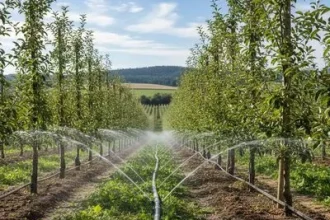
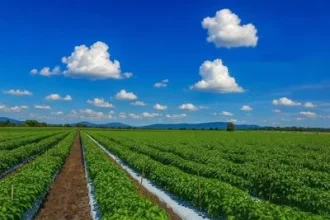
Our products are suitable for field crops, orchards, landscaping, gardening, pasture, sports fields, greenhouses, and industrial dust suppression. Specialized models adapt to diverse terrains and crops.
21.Do you offer pressure-regulated options?
Yes. We have pressure-regulating bodies and valves to stabilize nozzle pressure, reduce misting, and improve uniformity in varied elevation or long laterals.
22.How do you solve the clogging problem in micro and drip sprinkler systems?
Use appropriate pre-filtration (disc/screen/centrifual/hydrocyclone), maintain filters regularly, flush lines 5–10 minutes at startup, and manage fertilizer concentration to avoid precipitation. For marginal water, consider chemical treatment and periodic acid/chlorination as per local standards.
23.How does an irrigation system work?
It draws water from sources (rivers, wells) via pumps/gravity, transports it through main/sub-main/lateral pipes, and delivers it to plant roots via sprinklers/drip emitters. Modern systems add filters (anti-clog) and sensors (adjust flow by crop/weather).
24.What is drip line irrigation?
A micro-irrigation method: perforated plastic tubes with emitters deliver water slowly (2—12L/h) directly to roots. It saves water (95% utilization), has filters/regulators, suits arid areas/high-value crops, and can mix nutrients.